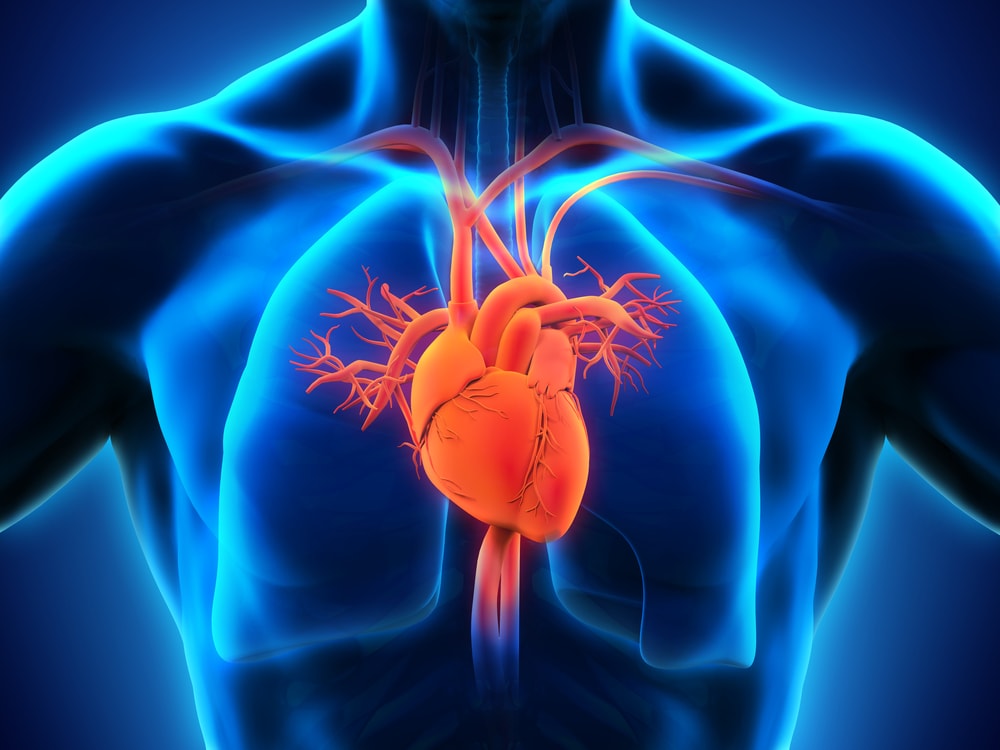
Heart failure is a serious condition that affects millions of people worldwide, and raising awareness about it is essential for early detection and prevention.
What is heart failure?
Heart failure should not be confused for a heart attack (lay term used for describing cardiac arrest, which is when the heart stops beating). Heart failure is a condition where the heart isn’t pumping blood as effectively as it should. This leads to various symptoms like:
1. Shortness of breath
2. Fatigue/excessive tiredness
3. Swollen ankles – which can extend up to the legs, thighs and even up to the abdomen and lungs
4. Palpitations – a feeling of fast and/or irregular beating of the heart
5. Persistent cough – with/without frothy sputum or a tinge of blood
6. Wheezing – seen in severe cases when there’s severe shortness of breath
7. Cyanosis – bluish discoloration of lips or tongue, seen in some infants and children with heart failure
These symptoms vary, depending on the type and severity of heart failure.
Causes and Risk Factors:
Heart failure can be caused by:
•coronary artery disease – blockage of blood supply to the heart itself, leading to damage/death of the heart muscles; note that a heart attack is a form of coronary artery disease which may lead to heart failure
•hypertension – high blood pressure
•valvular heart disease – heart valve problems, which can be inborn or acquired
•infections of the heart – like myocarditis
•anaemia – shortage or loss of blood
Risk factors for coronary heart disease and high blood pressure include certain lifestyle choices like unhealthy diet, smoking and lack of exercise.
How is heart failure diagnosed?
1. From your medical history and physical examination. Your doctor can easily spot a failing heart by asking you a few questions and examining you from head to toe
2. Through blood tests. Blood tests are used to evaluate the kidneys, liver, thyroid function as well as to check cholesterol levels and the presence of anemia.
B-type natriuretic peptide (BNP) is another important blood test; levels increase when heart failure symptoms are worsening.
3. Chest X-ray: shows the size of your heart (which gets bigger in heart failure) and whether there is fluid buildup around the lungs.
4. Echocardiogram: an ultrasound that shows the heart’s movement, structure, and function. This test is used to measure the ejection fraction (EF) which determines how well your heart pumps with each beat.
5. Electrocardiogram (EKG or ECG). An EKG records the electrical impulses traveling through the heart.
6. Cardiac catheterization. This invasive procedure helps determine whether coronary artery disease is a cause of congestive heart failure.
7. Stress test. Noninvasive stress tests provide information about the likelihood of coronary artery disease.
What are the treatment options for heart failure?
Heart failure can be very debilitating, however, there are various options for treating the disease and improving quality of life. This includes the use of medications like Angiotensin-converting enzyme inhibitors (ACEIs), Aldosterone antagonists, Angiotensin II receptor blockers (ARBs), Angiotensin receptor-neprilysin inhibitors(ARNI), Beta-blockers, etc.
There are also surgical interventions for the treatment of heart failure, coronary heart disease and other related heart diseases that can later lead to failure. In the worst case scenario, heart transplantation can be done for eligible individuals.
How can you protect your heart from failing?
1️⃣ Regular Check-ups: Routine visits to the doctor can help detect any potential heart issues early on.
2️⃣ Adopting a Healthy Lifestyle: Eating a balanced diet, engaging in regular exercise, and avoiding harmful habits like smoking and recreational drug use are crucial for heart health.
3️⃣ Knowing the Symptoms: Educating yourself about the warning signs of heart failure can make a huge difference in seeking medical help promptly. Reading this post till the end is a good step!
4️⃣ Following Medical Advice: Adhering to prescribed treatments and medications is vital for managing the condition effectively and leading a good quality of life. Treatment is usually lifelong as there’s no permanent cure.
5️⃣ Cutting down salt and fluid intake: Excessive salt consumption can not only lead to hypertension, it can also worsen the symptoms of ongoing heart failure.
.
Remember, prevention is better than cure. Let’s continue to take steps towards a heart-healthy lifestyle and overall wellness!
If you have any symptom that might point to a failing heart, contact your doctor immediately!
© Doctor KT
#HeartHealth
#HeartFailure
#HealthyLifestyle
#HealthChecks
Reference: some information in this article was sourced from WebMD.
 AskDoctorKT